

Trip planning can turn a hopeful idea into a practical journey, but it can also become a spreadsheet that leaves no room for surprise. A better plan starts with what matters to you, what the trip can realistically support, and what information needs to be checked close to departure.
A weekend visit to family, a long-distance hike, and an international work trip need different preparation. The same itinerary does not fit every traveler. Begin with the experience you want and the limits you need to respect: time, money, mobility, health, work, caregiving, or travel companions.
Choose the purpose and the priorities
Write one sentence about why you want to go. It may be to rest, see a place, celebrate with someone, learn about a culture, or complete a work task. Pick a small number of experiences that matter most. This helps you decide where to stay, how much travel time is reasonable, and what you can comfortably leave out.
Talk with travel companions about pace and expectations. One person may want a full schedule; another may need rest periods or accessible routes. Agree on the non-negotiables and plan some independent time when interests differ. A shared trip is more enjoyable when people do not have to pretend they want exactly the same experience.

Check the foundations early
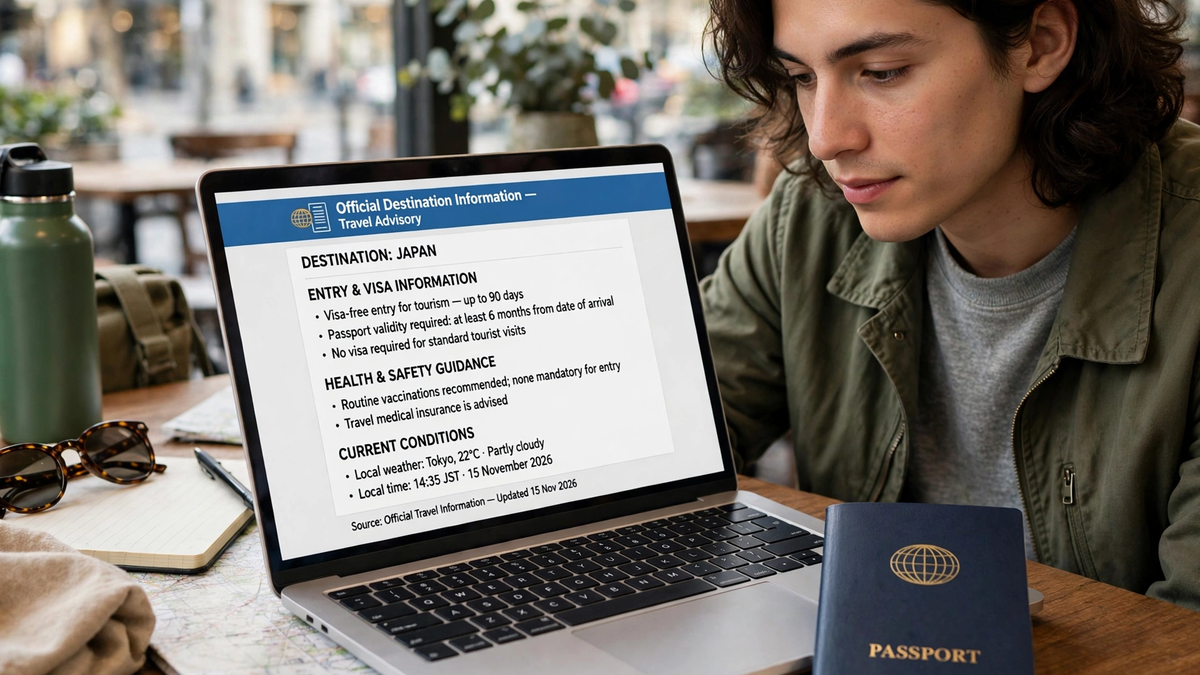
Before paying for major arrangements, confirm dates, transport connections, accommodation needs, cancellation terms, and any documents or permissions required for your situation. International entry rules, passport validity, visa requirements, local laws, and safety guidance can change. Check current information from the destination’s official government sources and your own country’s travel service; do not rely on an old blog post for requirements.
Consider how the route works door to door, including transfers, transit hours, arrival times, and rest. A low-cost itinerary may require a long connection, a late arrival, or extra ground transport. Compare the whole journey rather than one ticket price. If you have accessibility, medical, dietary, or communication needs, contact providers early and confirm arrangements directly.
Build a budget around the whole trip
Estimate transportation, lodging, meals, local transit, activities, travel documents, insurance, connectivity, tips, and fees. Add a buffer for price changes or unexpected costs. Use current prices from reliable providers and note when you checked them. If a trip only works when every connection is perfect or every meal is free, revisit the plan before booking.
Understand cancellation policies and what happens if a provider changes plans. Travel insurance may cover some losses or medical needs, but coverage varies; read exclusions and conditions rather than assuming every disruption is protected. Keep some emergency funds accessible in a way that suits your destination and personal needs.

Plan for health, safety, and communication
For international travel, check official destination-specific health information and speak with a healthcare professional about personal needs, medicines, or recommended precautions. A travel health visit may depend on destination, length, activities, and medical history. Pack prescribed medicine in its original packaging where appropriate and know how to reach care at your destination.
Save important contacts, booking details, and copies of key documents securely. Share your rough itinerary with someone you trust. Think through what you would do if a phone were lost, a connection were missed, or a planned activity became unavailable. A simple backup plan can reduce the pressure to make rushed decisions.
Leave space for the trip to be a trip
Avoid scheduling every hour. Transit delays, fatigue, weather, and unexpected discoveries are part of travel. Leave open time for rest, meals, and changes in energy. Put activities in a sensible order by location so you spend less time crossing the same area repeatedly.
Make a short “must do” list and a “nice if possible” list. When plans change, the second list gives you room to choose without feeling that the trip has failed. If an activity is not accessible, affordable, or safe for your group, a different experience can still make the day meaningful.

Questions travelers ask
- How do I plan a trip from start to finish?
- What should I check before booking international travel?
- How do I create a travel itinerary without overplanning?
- What should I include in a travel budget?
- How can I plan a trip around accessibility or health needs?
The best plan is not the one that controls every moment. It is the one that makes the important decisions visible and leaves enough flexibility for the people taking the trip. Choose what matters, verify changeable details close to departure, and let the itinerary support the experience rather than replace it.