

A home does not need to look new to be well cared for. A short maintenance checklist helps you notice problems early, protect essential systems, and reduce surprises.
The right schedule depends on climate, age, materials, equipment, and whether you own or rent. Follow equipment manuals and local weather guidance. Renters should report safety or repair concerns through the landlord or property manager’s process.
Start with water and moisture
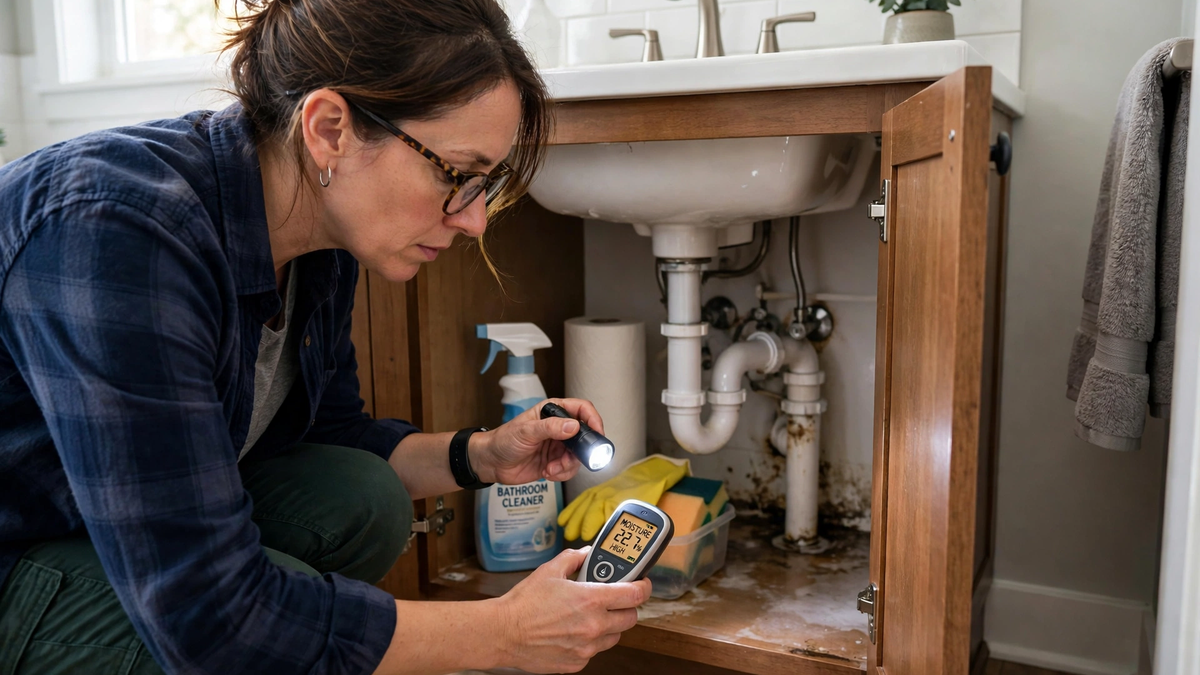
Look under sinks, around toilets, near water-using appliances, and at ceilings for new stains, bubbling paint, dampness, or musty odors. A slow drain or unexpected water-bill change can also signal a problem. These clues do not identify the cause, but can prompt further investigation.
Do not open walls if you are unsure what is behind them. Shut off water only if you can do so safely. Contact a qualified plumber for a hidden or recurring leak, especially near electrical equipment. Renters should notify the manager promptly and keep a dated record.
Keep heating, cooling, and ventilation on schedule
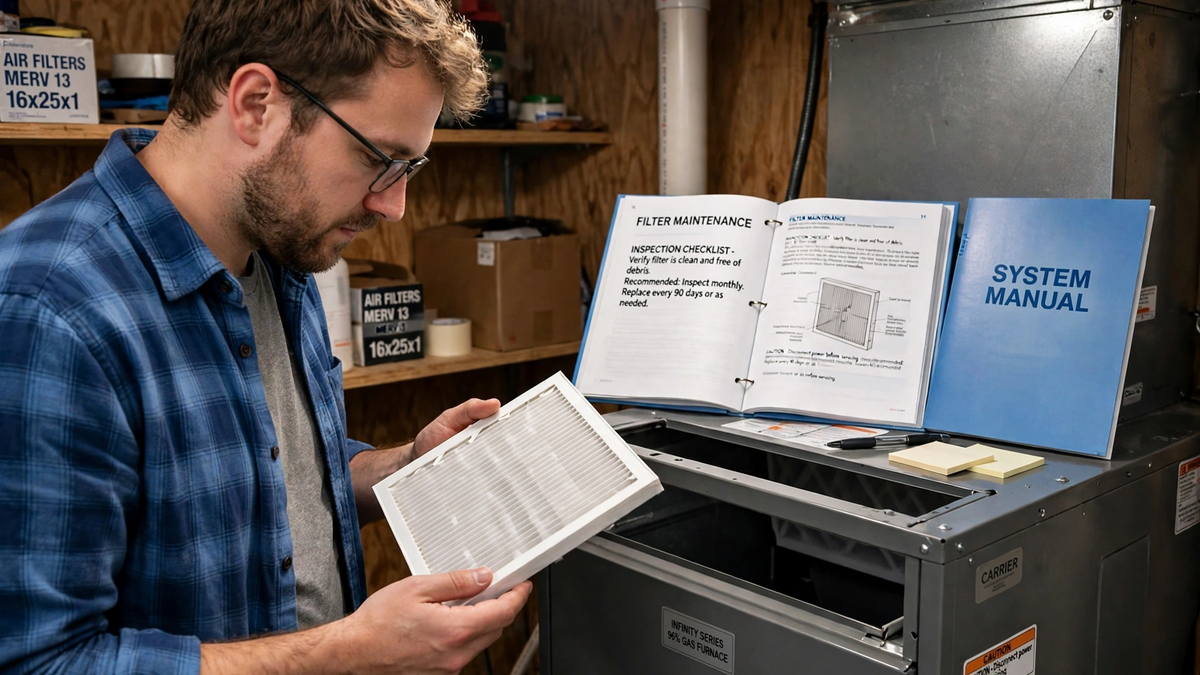
Use the manufacturer’s instructions for filters, cleaning, and service intervals. Keep vents clear and note unusual noises, odors, cycling, or sudden comfort changes. These symptoms have several possible causes; do not assume you need a new appliance.
Ventilation matters where moisture and combustion are present. Use kitchen and bathroom exhaust systems as designed, and watch for persistent condensation or indoor odors. If you suspect a fuel-burning appliance is malfunctioning, smell gas, or hear a carbon monoxide alarm, leave the area and contact emergency services or the utility according to local instructions. Do not attempt a repair on gas equipment yourself.
Check safety devices and exits
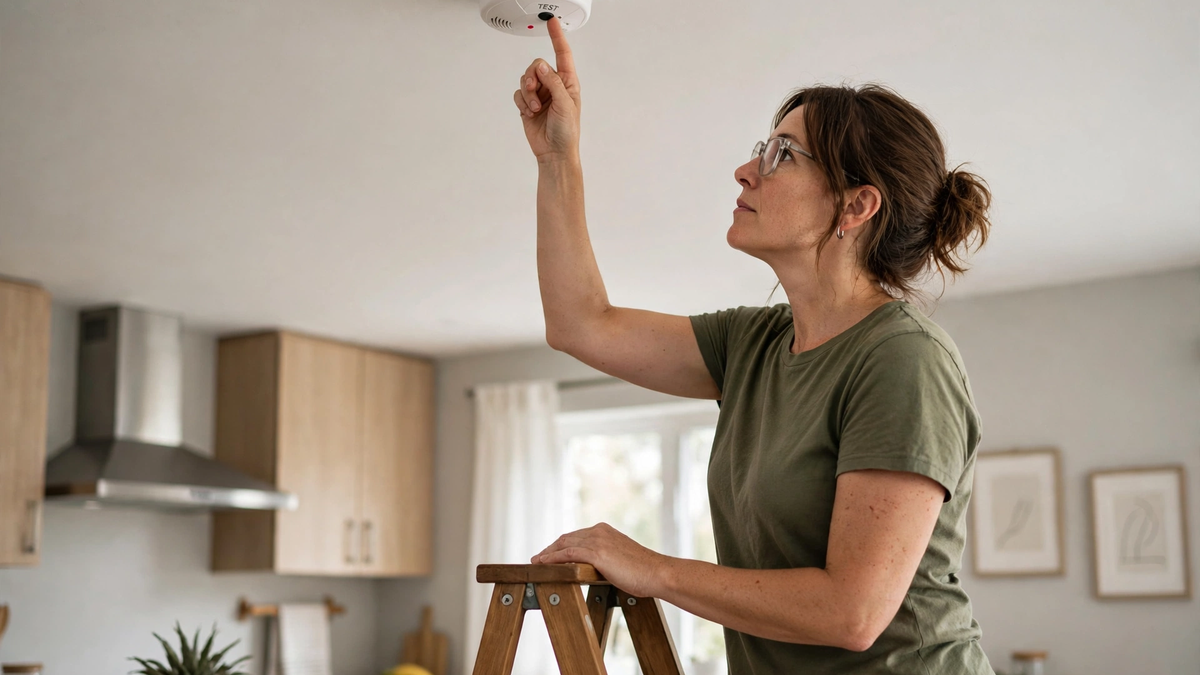
Test smoke and carbon monoxide alarms according to device instructions and local requirements. Replace batteries or devices as directed, and make sure household members know how to respond. Keep exits and electrical panels accessible; secure common trip hazards.
Home safety needs differ for mobility, vision, hearing, and age. A checklist may prompt you to improve lighting, add a stable handrail, or make emergency information easier to reach. For electrical concerns-such as burning smells, repeated breaker trips, warm outlets, or damaged wiring-contact a qualified electrician. Do not remove covers or work on energized circuits unless you are properly trained and following applicable rules.
Review the outside as seasons change
From a safe location, look for changes in gutters, siding, steps, paths, and drainage. Clear blocked gutters only if safely accessible, and note water collecting near the foundation. Do not climb onto a roof or use an unsafe ladder; hire a professional if access or damage is uncertain.
Before storms, secure loose outdoor items and keep emergency supplies accessible. Follow local preparation advice for cold, heat, or other regional hazards; risks vary by location.
Build a simple maintenance record
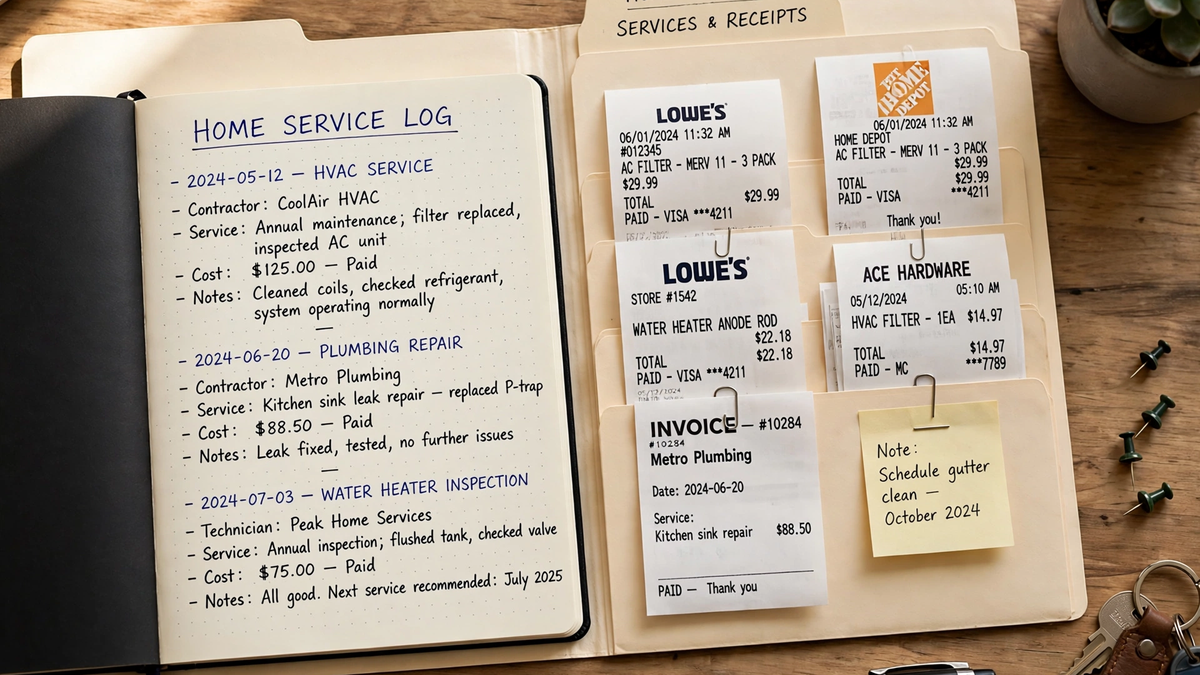
Record dates, observations, service, and next steps. Keep receipts, manuals, warranties, and contractor details together. Notes help you notice patterns and explain a returning problem.
Set reminders for safe recurring checks, such as alarms or filters. Pick only a few that matter most. For an expensive or uncertain problem, get a professional assessment before agreeing to a major replacement; a second opinion may help.
Group reminders by frequency rather than trying to inspect everything every month. A monthly check might be a quick look under sinks; a seasonal review might focus on drainage, heating or cooling preparation, and outdoor conditions. Annual service belongs on the calendar only when the equipment manual or a qualified technician recommends it. Keep the schedule short enough that you will actually use it.
After a repair, record what was fixed, which part or product was used, and any follow-up date. If a problem returns, these notes help a technician see whether it is recurring or connected to earlier work. For a larger service call, ask for the findings and recommendations in writing so you can compare them with the original symptom.
Questions people ask about home maintenance
- What should a basic home maintenance checklist include?
- What should I check around the house each season?
- How do I know whether a home repair needs a professional?
- How can renters report a maintenance problem?
- Which home maintenance tasks should be scheduled regularly?
Choose three checks that protect your home most: perhaps water leaks, alarms, and heating or cooling equipment. Follow the manuals and local requirements, write down what you notice, and contact qualified help when a problem touches electrical, gas, structural, or hidden systems. The goal is not a flawless house. It is a safer, more predictable home and a clearer idea of what needs attention next.