

A routine is often imagined as a strict schedule followed by a person with no interruptions. Real days rarely cooperate. Work shifts change, family needs appear, energy varies, and sometimes the most productive plan is the one that lets you recover. A useful daily routine does not prove discipline. It reduces the number of decisions you have to make when your attention is already busy.
Ask what you want a routine to protect: a calmer morning, time to eat before work, a transition out of work, or ten minutes to prepare for tomorrow. Choose a purpose you can recognize. “Become a better person” is too large to schedule; “put tomorrow’s lunch in the refrigerator after dinner” is visible and repeatable.
Build around anchors, not every minute
An anchor is an event that already happens or needs to happen: waking, beginning a shift, eating, taking medication as directed, picking up a child, or going to bed. Place a small supportive action near an anchor. After making coffee, open the curtains. When shutting down a computer, write the first task for tomorrow. These links help a routine fit into life rather than compete with it.
You do not need to plan the whole day. Choose two or three moments where structure would help. Someone with a predictable workday may use morning, work, and evening anchors. A caregiver, student, or shift worker may need routines attached to events instead of clock times. The shape depends on the life it serves.

Make the first step almost too easy
People often design routines for their best-energy day, then blame themselves when the plan fails on a difficult one. Define a full version and a minimum version. A full version might be a twenty-minute walk; the minimum could be stepping outside for five minutes. An evening reset might mean dishes, clothes, and a calendar check; the minimum could be clearing one surface and setting an alarm.
The smaller version is not a loophole. It keeps the action available when conditions change and gives you a way to restart without waiting for Monday. If a minimum version stops being useful, revise it. If even that version creates strain, reduce it again or choose a different action. A routine should make life more workable, not become another measure of personal worth.
Use the environment to carry some of the effort
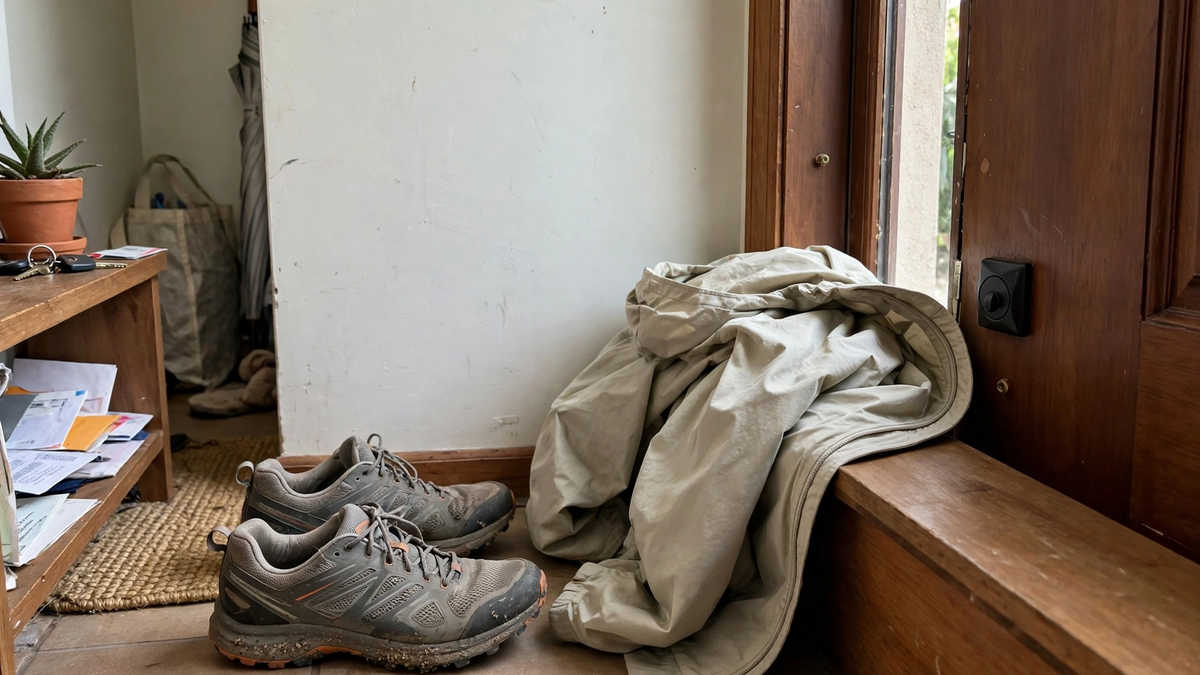
Make the desired action easier to notice and begin. Put a book where you usually sit, fill a water bottle before leaving the kitchen, or place work materials beside the desk. If your phone distracts you, move it out of reach during focus time. Small environmental changes can remove steps between intention and action.
Keep supplies convenient without creating a complicated setup ritual. A bag packed for tomorrow can help; a color-coded preparation system with twelve stages may become a new task. If another person shares the space, agree on changes together. A routine that depends on hiding a shared object or taking over common time will likely create friction.

Leave room for recovery and interruption
Rest belongs in a routine because energy is part of the plan. A short pause between work and home responsibilities can help mark the transition: change clothes, take a quiet walk, or sit without a screen for a few minutes. The best transition is one that is safe, accessible, and compatible with your responsibilities. Some people cannot pause immediately; a small closing ritual may still help signal that one task has ended.
Plan for interruption before it happens. Decide what counts as the next available opportunity when a routine is missed. If a morning plan disappears, perhaps the useful action can move to lunch. If it cannot move, let the day be different and return at the next anchor. A missed repetition is information about the design, not evidence that you have failed.
Review your routine like a practical experiment
Try a new routine for a week or two, then ask what it made easier and what it cost. Did it fit the real schedule? Did it reduce stress, support a priority, or simply add pressure? What regularly got in the way? Change one element at a time so you can tell whether the adjustment helped. A brief note is enough; elaborate tracking is optional.
Routines also change with seasons of life. A plan that works during a quiet month may not fit caregiving, illness, travel, exams, or a new job. Keep the pieces that still serve you and retire the rest. Flexibility is not the opposite of consistency. It is what lets consistency survive changing conditions.

Questions people ask about daily routines
- How do I create a daily routine when my schedule changes?
- What should a simple morning routine include?
- How long does it take to establish a routine?
- What should I do when I miss a day?
- How can I create routines without feeling controlled by them?
There is no universal routine that guarantees a good life. Begin with one recurring difficulty and one small action that could make it easier. Attach that action to something that already happens, prepare the environment, and decide how to return after disruption. Then keep the parts that help and change the parts that do not. A routine earns its place by supporting the person living the day, not by looking impressive on paper.