

Why does finding something to watch feel harder than it should?
There are more choices than any one person can reasonably compare. A streaming home page, search results, group messages, trailers, and social feeds each offer another route to the same question: what should I watch, hear, or do next? The difficulty is not a lack of options. It is that options arrive without enough context. A popular title may be excellent and still be wrong for a tired Tuesday, a short lunch break, or a family evening with mixed ages.
Content discovery works better when you begin with the experience you want, then search for a format that can deliver it. Ask yourself: Do I want to laugh, feel suspense, learn something, keep a child company, or have a conversation afterward? Am I choosing for myself or a group? How much time do I actually have? These questions turn a vague scroll into a useful search.
How can you find content that fits your mood?
Try a five-part filter: mood, time, company, boundaries, and curiosity. Mood names the feeling you want. Time sets a realistic limit, including an episode or travel time. Company helps you choose something a group can share. Boundaries include language, age suitability, intensity, accessibility, and spending. Curiosity is the one element you do not usually choose: a new genre, country, creator, or format.
For example, “something funny” can become “a warm, low-stakes comedy under 100 minutes that two people can enjoy, with captions available.” That is a search brief. It is more useful than asking an algorithm to guess your whole personality from past clicks.
What are the best ways to discover new movies and shows?
Use recommendation feeds as a starting shelf, not a final judge. Look for a reason behind a suggestion: a director you like, a theme you have been exploring, a similar pacing, or a friend who knows your taste. Then sample with intention. Watch a trailer, read a short spoiler-free description, or try one episode. Decide in advance what would make you continue. This avoids the “I have already spent an hour, so I should finish” trap.
Ask a trusted person for a recommendation with a constraint: “What is a clever mystery that is not graphic?” or “What documentary changed how you think about a familiar subject?” Specific prompts invite a useful answer. If the person gives only a title, ask what kind of viewer might enjoy it. Taste is personal; context makes a recommendation transferable.
To widen your choices, reserve one small slot for deliberate exploration. Pick a title from a genre you rarely choose, a local venue, a public library collection, or a creator outside your usual feed. The goal is not to force yourself to like everything. It is to give surprise a fair chance without making discovery feel like homework.
How do you choose entertainment for a group?
Group choices often fail because everyone is asked to name a favorite, which creates a long list and a quiet contest. Instead, agree on boundaries first: maximum length, intensity, age range, accessibility needs, and whether people want to talk during the activity. Each person can then nominate one option that fits. If no choice is shared, rotate who decides next time. A fair process can matter more than a perfect pick.
For an event, ask about transport, start and end times, seating, sensory conditions, ticket cost, and cancellation terms before committing. A recommendation that ignores these details may be exciting on paper and stressful in practice. Good discovery includes the conditions around the entertainment, not just its title.
Questions people ask about content discovery
How do I find something new when recommendations keep repeating?
Change one input at a time: search a different genre, follow a critic with a different perspective, ask a friend outside your usual circle, or browse a library or venue program. A small change gives you more control than endlessly refreshing the same feed.

How do I know whether a movie is right for me?
Check its premise, tone, runtime, and content notes. A rating or score can summarize other viewers’ reactions, but it cannot tell you whether their taste matches yours.
What should I do when nobody agrees on what to watch?
Set shared boundaries, use a short list, and rotate the final choice. You can also choose a format that permits different levels of attention, such as a short episode or a familiar rewatch.

Is a popular recommendation always a good one?
Popularity is evidence of reach, not personal fit. Ask why it is popular and whether that reason matters to you.
How can I spend less time scrolling?
Use a simple decision rule: shortlist three options, sample one, and either continue or switch. Save promising titles in one place and stop searching once an option meets your needs.
The small practice that makes discovery easier
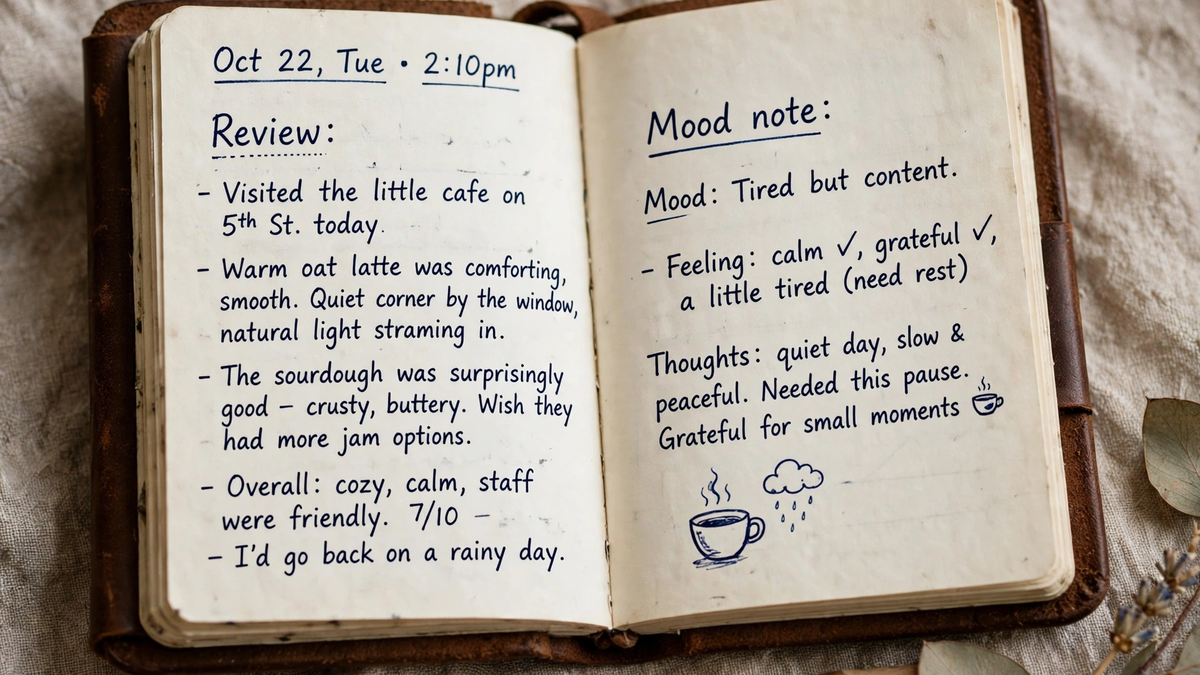
After finishing something, note what worked and when you would recommend it. “Slow pace, beautiful setting, good for a quiet evening” can become a useful personal guide.
Good discovery cannot promise a masterpiece. It can reduce browsing friction and help you notice what you enjoy. Start with the moment you are in, then choose a story, sound, or event that can meet it.