

Meal planning is often pictured as a row of matching containers and seven dinners decided in advance. That approach suits some households, but it is not the only way to make food decisions easier. A useful plan can be as small as choosing three dinners, checking what is already in the kitchen, and buying ingredients that can work in more than one meal.
The purpose is to reduce last-minute pressure while respecting budget, time, energy, cooking access, dietary needs, and preferences. Planning should help your household; it should not become a second job or a strict rule that makes an unexpected change feel like failure.
Begin with the week you actually have
Before picking recipes, check the calendar for busy evenings and meals already planned. Mark nights that need the quickest option, then choose only the number of meals that fits your week. If daily cooking is unrealistic, include leftovers, prepared foods, or a no-cook option where available.
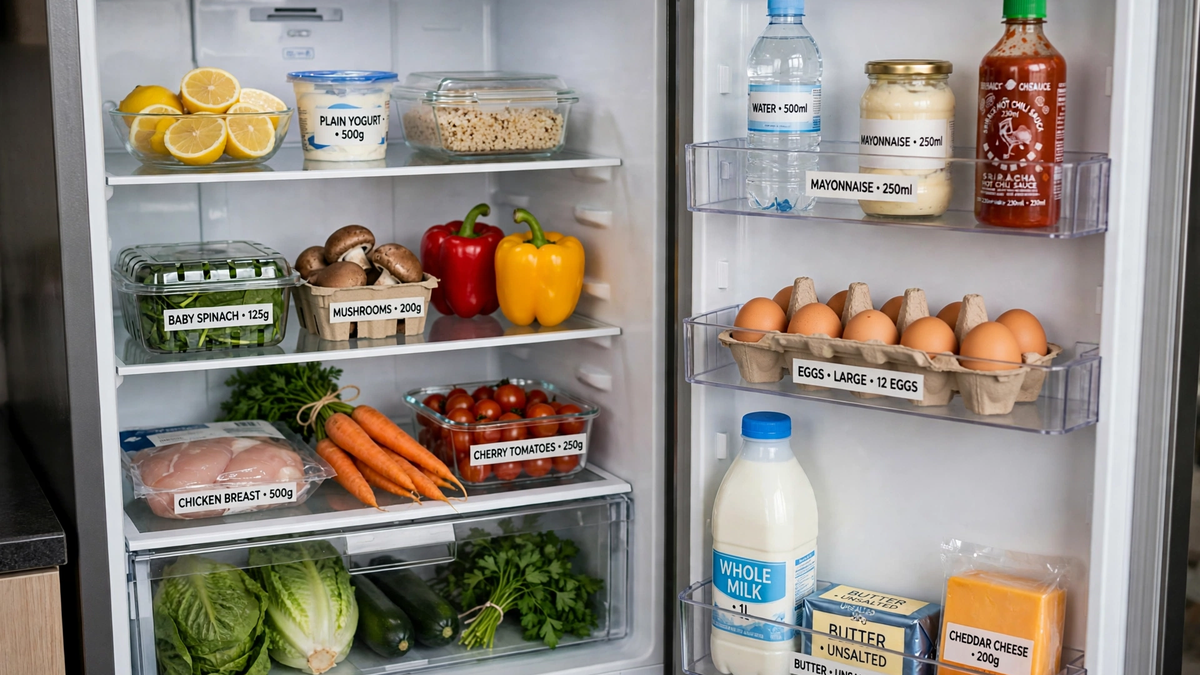
Check the refrigerator, freezer, and pantry before shopping. Put ingredients that should be used soon near the front. Note what you already have and what needs to be used with it. A plan built around existing food may cost less and waste less than beginning with a list of recipes that all require new specialty items.
Choose a few flexible meal patterns
Instead of assigning a unique recipe to every day, choose adaptable patterns: soup, pasta, a grain with protein and vegetables, eggs or beans with toast, or a build-your-own bowl. Ingredients can change with price, season, culture, and preference. A flexible pattern provides structure without requiring the same produce every week.
Choose two or three meals that share ingredients in different ways. A batch of cooked beans could become a soup one day and a filling for wraps another. Roasted vegetables might go with grains at dinner and eggs the next morning. Reuse ingredients, but vary the form so meals do not feel like the same plate repeated. If household members dislike leftovers, plan a smaller quantity or freeze portions if you have safe storage space.

Make the shopping list practical
List ingredients and mark what is essential. Check package sizes against what you will use. Fresh, frozen, and canned foods can all be practical depending on price, storage, and the recipe. A larger package is only a bargain if you can use or store it before it spoils.
Leave room in the budget for staples, snacks, drinks, and meals away from home if those are part of the week. A plan that ignores how people actually eat will be abandoned. If food prices or access are making planning difficult, focus on dependable, affordable options and local support programs rather than chasing an idealized menu. What is practical varies by location, household, and availability.
Prep ingredients only when it saves time
Meal prep need not mean cooking everything on Sunday. Wash produce, portion ingredients, cook a grain, or prepare a sauce-whatever removes friction. If batch cooking does not suit you or storage is limited, group ingredients on one shelf or set out the needed pot and utensils.
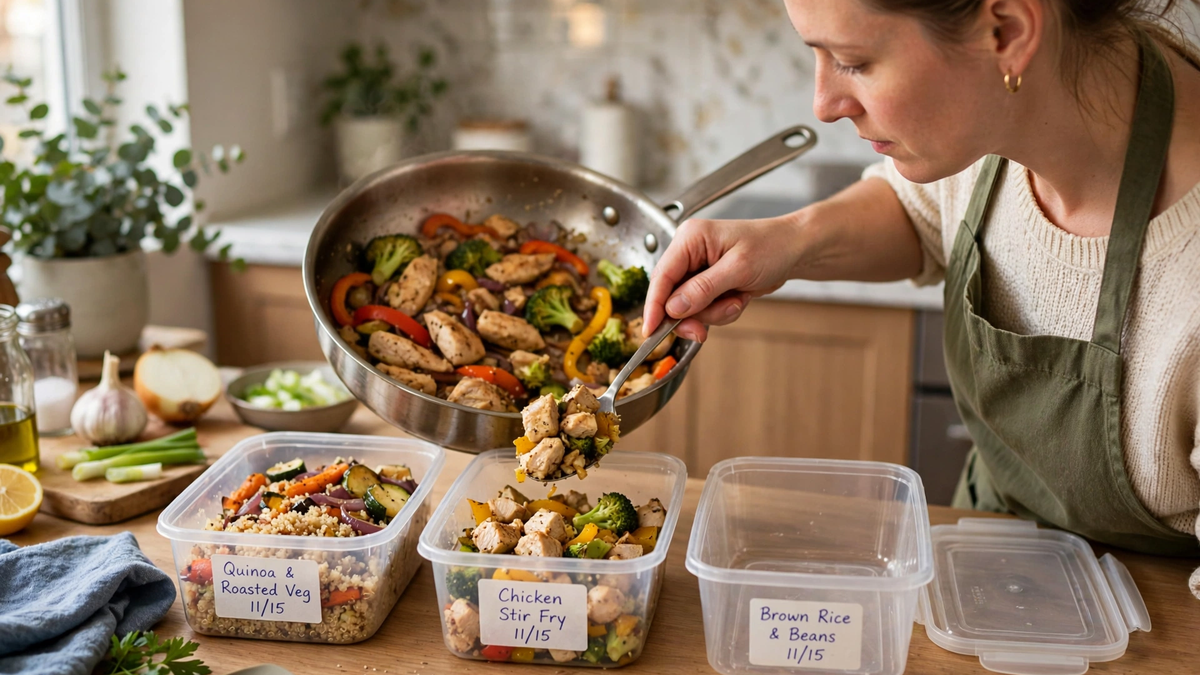
Separate “cook ahead” from “assemble later.” You might wash produce and cook a grain in advance, then add a freshly prepared protein or sauce on the day you eat. This keeps the prep session short and gives a meal a fresher texture. If a plan depends on hours of cooking, reduce it to one useful task and keep the remaining meals simple.
Store prepared foods promptly and follow current food-safety guidance for cooling, refrigeration, and how long items can be kept. Label containers with the date if that helps you use them in time. Do not rely on smell alone to decide whether food is safe. When you are unsure, consult official local guidance rather than guessing. Preparation only helps if food remains safe and gets eaten.
Keep a backup meal and an adjustment rule
Choose a backup for a day when the plan changes: a pantry meal, frozen portion, or simple sandwich that suits your needs and equipment. It makes the plan resilient when meetings run late or cooking is not possible.
At the end of the week, notice what was used, what was left, and which meals felt easy. Adjust next week’s list based on that information. If a recipe required too many steps, save the flavor idea and simplify the method. If an ingredient went unused, buy less or choose a dish that uses it twice. The best meal plan is not the most elaborate one; it is the one that helps food reach the table with less stress.
Questions people ask about meal planning
- How do I start meal planning for the week?
- How many meals should I plan in advance?
- What is a simple meal plan for a busy week?
- How can I meal plan on a tight grocery budget?
- How do I avoid getting tired of leftovers?
Plan the meals that cause the most stress. Check what you own, choose a few flexible meals, and leave an open slot for leftovers or change. Use what you learn to make next week simpler. Meal planning reduces friction; it is not a test of organization.
← Back to Home | More in Everyday Living & Consumer Guides →